

Stationary vs. Stationery
In the vast ocean of the English language, where words often sound alike but chart different courses in meaning, the pair stationary vs. stationery sails remarkably close. However, their pronunciation might mirror each other; “stationary” anchors itself in the realm of stillness and immobility, describing objects or conditions that remain unchanged or motionless.
On the flip side, “stationery” sails towards the writing domain, encompassing materials like paper, envelopes, and pens for correspondence and creative expression. The mix-up between these two can lead to confusing messages, especially in written communication, where the context might not always come to the rescue.
This exploration will navigate stationary vs. stationery, illuminating their proper uses to ensure our communications are clear, precise, and accurately understood. By mastering the distinction, we will avoid common pitfalls and enrich our expressions, allowing our intended meanings to reach their destination unobscured.

Part 1: Understanding Stationary vs. Stationery
The journey to distinguish between stationary vs. stationery begins with a foundational understanding of their definitions, exploring the landscapes they inhabit within the English lexicon, and appreciating the distinct roles they play in the architecture of our sentences. This foundational knowledge is pivotal for anyone aiming to navigate the nuances of English with clarity and precision.
Definitions and Roles
- Stationary:
Adjective: “Stationary” describes something not in motion, fixed in one place, or unchanging over time. It’s the term to use when depicting stillness, whether it’s a physical object that doesn’t move or a situation that remains constant.
Example: “The car remained stationary despite the green light, causing a line of traffic behind it.” - Stationery:
Noun: “Stationery” refers to materials used for writing or office supplies. This term encompasses many items, including but not limited to paper, envelopes, pens, and other tools essential for written communication and organizational tasks.
Example: “Every year, she would receive a box of elegant stationery, complete with personalized letterheads and matching envelopes.”
Grammatical Rules and Usage Guidelines
Distinguishing between stationary vs. stationery is crucial for ensuring that messages about stillness or writing supplies are delivered with clarity and precision:
- Contextual Clarity: Use “stationary” when describing something that remains still or unchanged. Opt for “stationery” when referring to writing materials or office supplies.
- Identifying the Focus: Reflect on whether the subject lacks movement or pertains to items used in writing and correspondence. This consideration will guide you toward the appropriate term, ensuring your communication is accurately received.
By setting a clear foundation for understanding stationary vs. stationery, we pave the way for their practical application, enabling communication that adeptly navigates the intricacies of immobility and the tools of written expression with accuracy and eloquence.

Part 2: Using “Stationary”
“Stationary” is an essential adjective in English, painting pictures of immobility and constancy. Its correct application is pivotal for conveying the absence of movement or change, whether describing objects, situations, or even broader conditions.
“Stationary” for Stillness and Permanence
- Purpose and Application: “Stationary” describes objects or entities that are not moving or are fixed in one location. It also applies to unchanged conditions or situations, emphasizing stability or lack of progress.
Example: “Despite the hustle and bustle around it, the ancient statue remained stationary, a silent observer of time’s passage.”
Everyday Contexts for “Stationary”
- Describing Immobile Objects: Utilized when highlighting objects’ immobility or fixed position.
Example: “The bicycle was stationary, locked securely to the bike rack outside the library.” - Situations or Conditions That Do Not Change: In describing scenarios, strategies, or states that are consistent over time.
Example: “The negotiations have been stationary for weeks, with no sign of progress.”
Part 3: Using “Stationery”
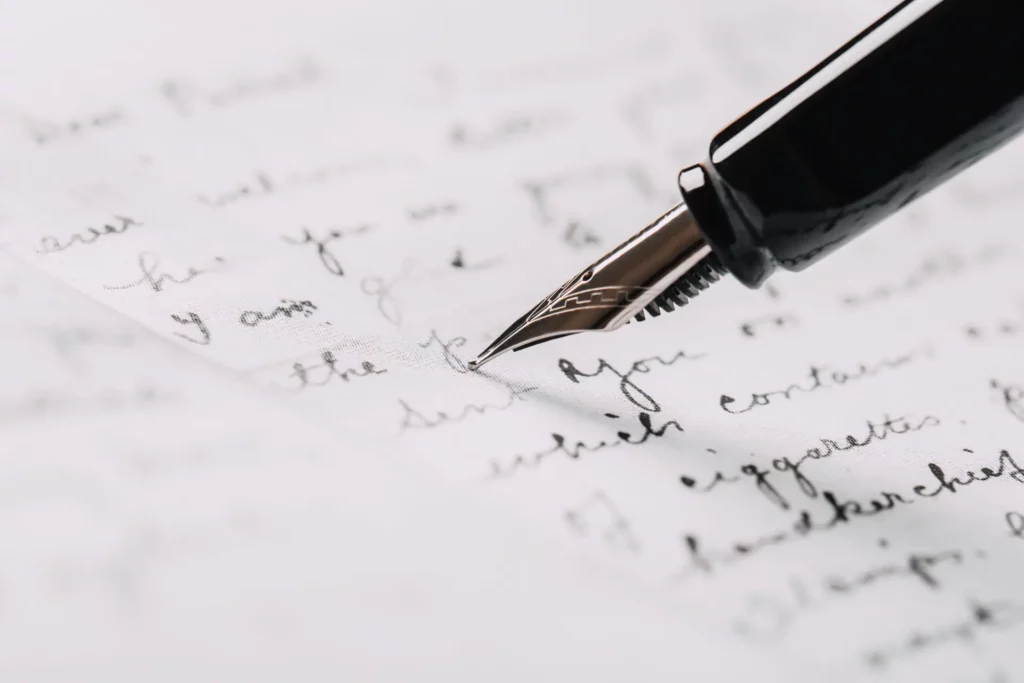
“Stationery” unlocks a world of materials related to writing and correspondence. This term covers a range of supplies that facilitate written communication, organization, and creative expression, playing a crucial role in personal and professional settings.
“Stationery” for Writing Supplies
- Purpose and Application:” Stationery” refers to writing materials, including paper, pens, envelopes, and other items designed for writing, drawing, or organizing written content. It encompasses both the functional and decorative aspects of writing supplies.
Example: “For her graduation gift, she received a set of luxury stationery, complete with monogrammed notecards and gold-leafed envelopes.”
Differentiating “Stationary” and “Stationery”
Understanding the distinct uses of stationary vs. stationery ensures that communication regarding stillness or writing materials is clear and precise:
- Immobility vs. Writing Materials: “Stationary” describes a state of stillness or lack of change applicable to objects, conditions, or scenarios. “Stationery” refers explicitly to materials and supplies for writing and correspondence.
Example (Stationery): “Each year, he chooses his planner from the same stationery store, drawn to their exquisite collection of leather-bound journals.”
Parts Two and Three delve into the nuanced roles of stationary vs. stationery, from establishing the concept of immobility and constancy with “stationary,” to embracing the tools of written communication with “stationery.” Mastering these terms enhances the clarity of communication and enriches the expression, allowing for precise articulation of physical stillness and the cherished implements of writing.
Part 4: Common Mistakes and How to Avoid Them
The close phonetic similarity between stationary vs. stationery often leads to mix-ups, resulting in common errors that can cloud the intended message. Misusing these terms not only confuses readers but also detracts from the precision and professionalism of the communication.
Confusing “Stationary” and “Stationery”
One of the most prevalent mistakes is interchanging stationary vs. stationery. Such an error, though small, can significantly alter the meaning of a sentence, leading to misunderstandings about whether you’re discussing a lack of movement or referring to writing materials.
- Strategy for Avoidance: A helpful mnemonic to remember the difference is that “stationery” with an “e” is related to “envelopes,” which are items of writing. Conversely, “stationary” with an “a” stands for “at rest,” indicating stillness. This mnemonic can help you select the correct word based on the context.
Overlooking Contextual Cues
Sometimes, the error stems from not paying close attention to the context of the sentence, leading to the inappropriate use of stationary vs. stationery.
- Clarification Tip: Before finalizing a sentence, consider what you are describing: Is it an object or situation characterized by immobility, or are you referring to items used for writing? Reviewing the sentence with these questions can guide you to the correct choice.
Tips for Correct Usage
Navigating the use of stationary vs. stationery with confidence requires awareness and practice. These tips can help solidify your understanding and application of these terms, enhancing your communication.
- Mindful Review: Develop the habit of reviewing your texts specifically for stationary vs. stationery. This targeted proofreading can help catch and correct any mix-ups.
- Practice with Examples: Engage in writing exercises incorporating stationary and stationery.” Contextual practice reinforces the distinctions and correct usage of each term.
- Seek Feedback: Don’t hesitate to ask others to review your use of stationary vs. stationery in your writing. External feedback can offer valuable insights and highlight areas for improvement.
Conclusion
The journey through the distinct meanings and applications of stationary vs. stationery underscores the intricacies of English, where even closely sounding words hold vastly different significances. Using these terms appropriately enhances our ability to communicate with clarity, precision, and intention. This exploration not only demystifies stationary vs. stationery but also serves as a testament to the ongoing quest for linguistic precision, encouraging us to pay closer attention to our word choices. Doing so enriches our dialogues, writings, and understandings, steering clear of common pitfalls and navigating toward more precise, more effective communication.
Embracing Linguistic Precision
Our examination of stationary vs. stationery reflects a broader commitment to linguistic precision, illustrating the profound impact of careful word selection on comprehension and expression. As we continue to delve into the complexities of language, let us cherish and strive for clarity, enriching our conversations and writings with the precision they deserve.
The Path Forward
Let’s challenge ourselves to apply the insights from understanding the differences between stationary vs. stationery in all our communications. Doing so not only sharpens our linguistic skills but also contributes to a culture of clarity and precision that elevates our collective discourse. Explore further, question your assumptions, and celebrate the enhanced understanding and connections that arise from meticulous attention to language.

Further Exploration
For those eager to dive deeper into the intricacies of English, countless resources await. From comprehensive grammar guides to interactive language learning platforms, the tools at your disposal are more accessible than ever. Engage with these materials, challenge yourself with new exercises, and remain curious and open to discovery. We offer a line of comprehensive grammar and punctuation courses and feature a mastery quiz bundle to cement your further mastery of grammar and punctuation. Feel free to access the endorsed resources below to enhance your learning experience.


