
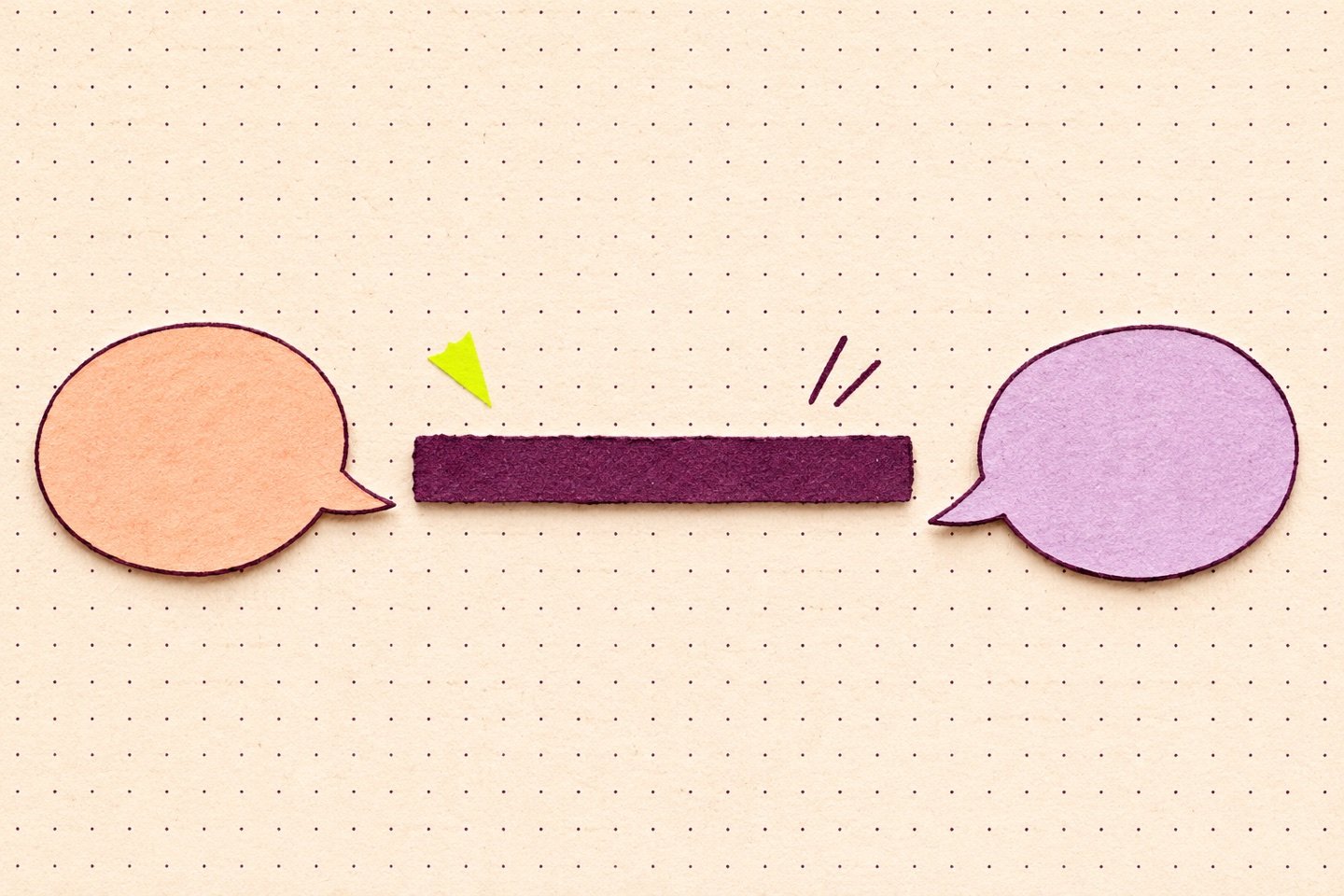
An em dash (—) marks a break or shift in a sentence. One can introduce an emphatic ending or show a sudden cutoff. Two can set off an aside.
How to recognize it
Look for the long dash marking an emphatic break, an aside, or a sudden interruption. It is different from a hyphen or an en dash.
Examples explained
Example 1
Only one tool was missing—the wrench.
Why it works: One dash draws attention to the identifying ending.
Example 2
The spare key—our only copy—was still in the lock.
Why it works: A pair of dashes sets off a mid-sentence aside.
Example 3
“I thought the gate was—”
Why it works: The dash shows an abrupt cutoff in the speaker’s words.
Common mix-up
Use both dashes when an aside interrupts a sentence that continues afterward. Parentheses usually make the same aside less emphatic.
Explore more detail and examples
Many American publishing styles omit spaces around em dashes; other styles use spaces on both sides. Be consistent with your guide. In Word for Windows, Ctrl+Alt+the numeric-keypad minus key inserts an em dash.
Quick check
How does an em dash differ from an ellipsis in interrupted dialogue?
Reveal the answer and explanation
An em dash typically signals a sudden cutoff; an ellipsis can suggest hesitation or gradual trailing off.


