
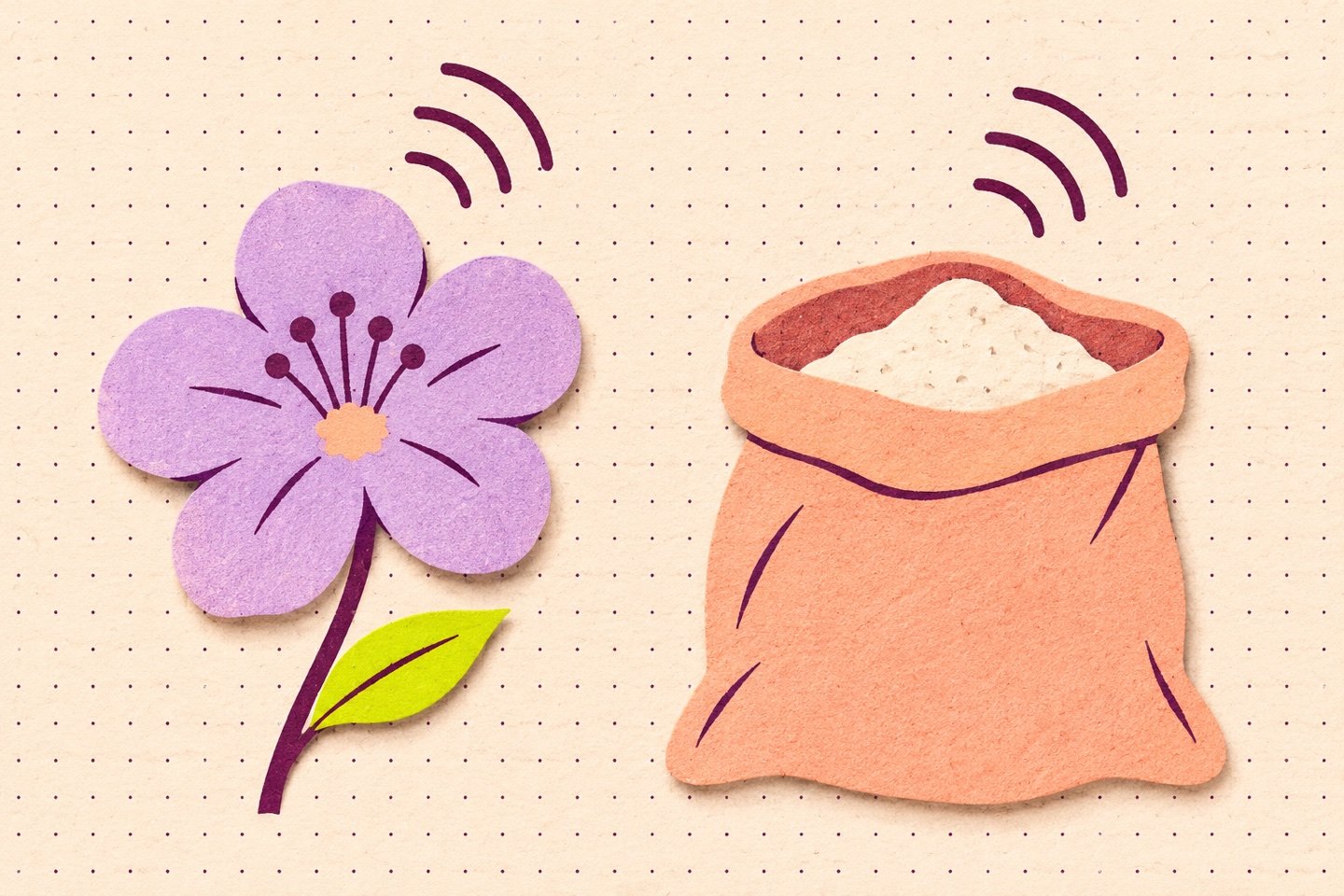
Homophones are words with the same pronunciation and different meanings. They often have different spellings. Flower names a bloom, while flour is the powder used in baking.
How to recognize it
Say the words aloud, then compare their meanings. If they sound the same in your accent but mean different things, they are homophones.
Examples explained
Use meaning to choose the spelling
Pair and pear. A pair of gloves is a set of two. A pear is a fruit.
Peace and piece. Peace can mean calm or the absence of conflict. A piece is a part of something.
Their, there, and they’re. Their coats are over there, and they’re still wet. Their marks possession, there points to a place, and they’re is a contraction of they are.
Why some pairs depend on accent
Many English speakers pronounce cot and caught alike. Others use different vowels. When you proofread, check what the sentence means before choosing the spelling. See orthography for more on how writing distinguishes words that sound alike.
Common mix-up
Similar spelling is not enough. Homophones are defined by sound; some pairs depend on the speaker’s accent.
Quick check
Choose the word: “Add one cup of flower / flour.”
Reveal the answer and explanation
Flour names the baking ingredient. Sound alone cannot choose the spelling; meaning does.


