
A statue is a sculpture of a person, animal, or other figure. Stature means height or standing. A statute is a law passed by a legislature.
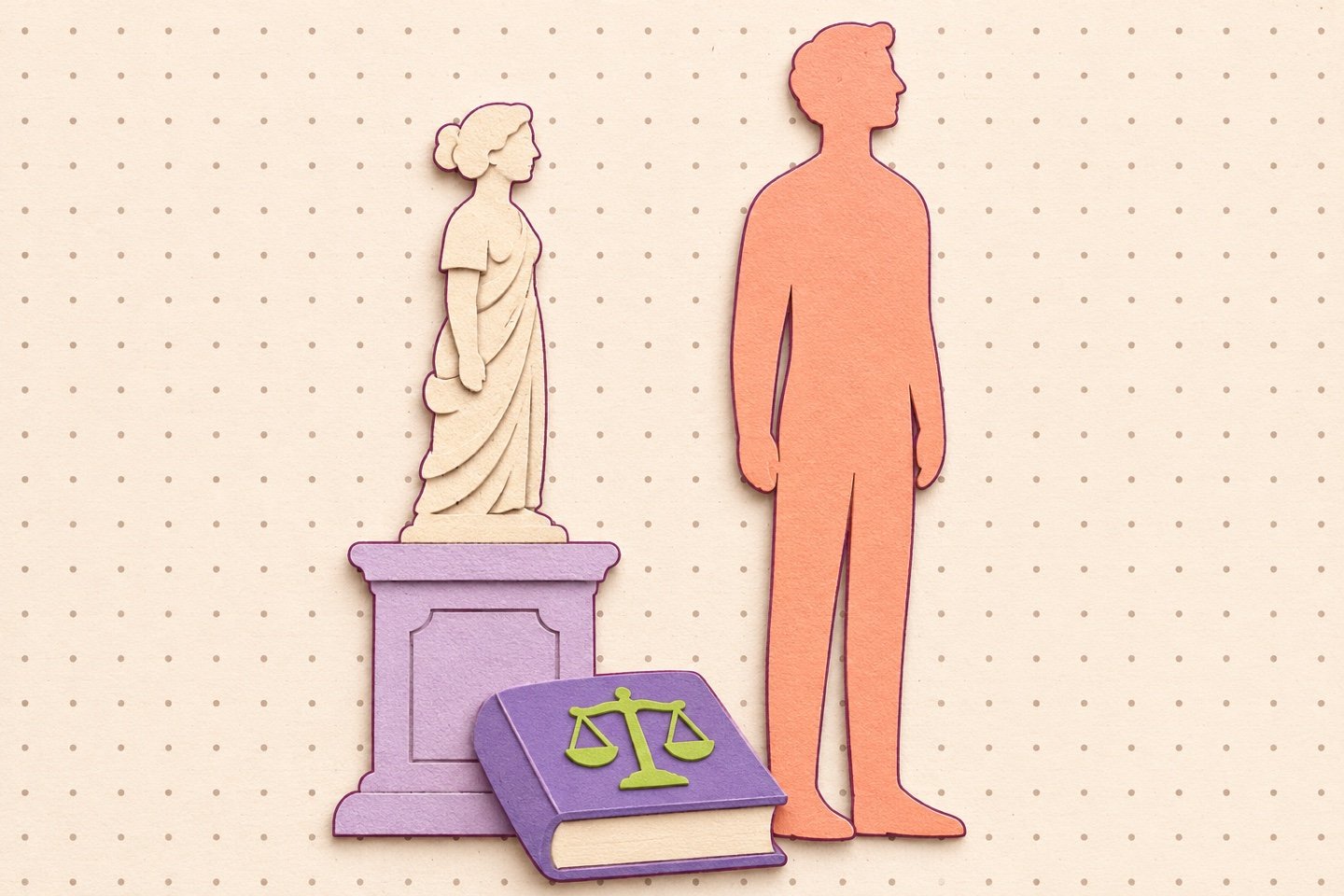
Examples explained
Statue.
A bronze statue of a heron stands in the courtyard.
Why it works: The word names the sculpture.
Stature.
The tailor adjusted the pattern to suit the actor’s short stature.
Why it works: The word describes the actor’s height.
Statute.
The state legislature passed a statute on public records.
Why it works: The word names the law the legislature passed.
Recognize stature as a measure of standing
The composer gained stature after the premiere means the composer became more respected. Compare Eminent vs. Imminent for another word used to describe someone’s standing.
All three words are nouns. A statue can stand on a pedestal, a person can grow in stature, and a legislature can pass a statute.
Quick check
Choose statue, stature, or statute.
- The bronze ___ stands in the square.
- The scientist gained ___ after the discovery.
- The legislature repealed the ___.
Reveal the answers and explanations
Statue. This is a sculpture.
Stature. Here it means standing or reputation, not physical height.
Statute. This is a law enacted by a legislature.


