
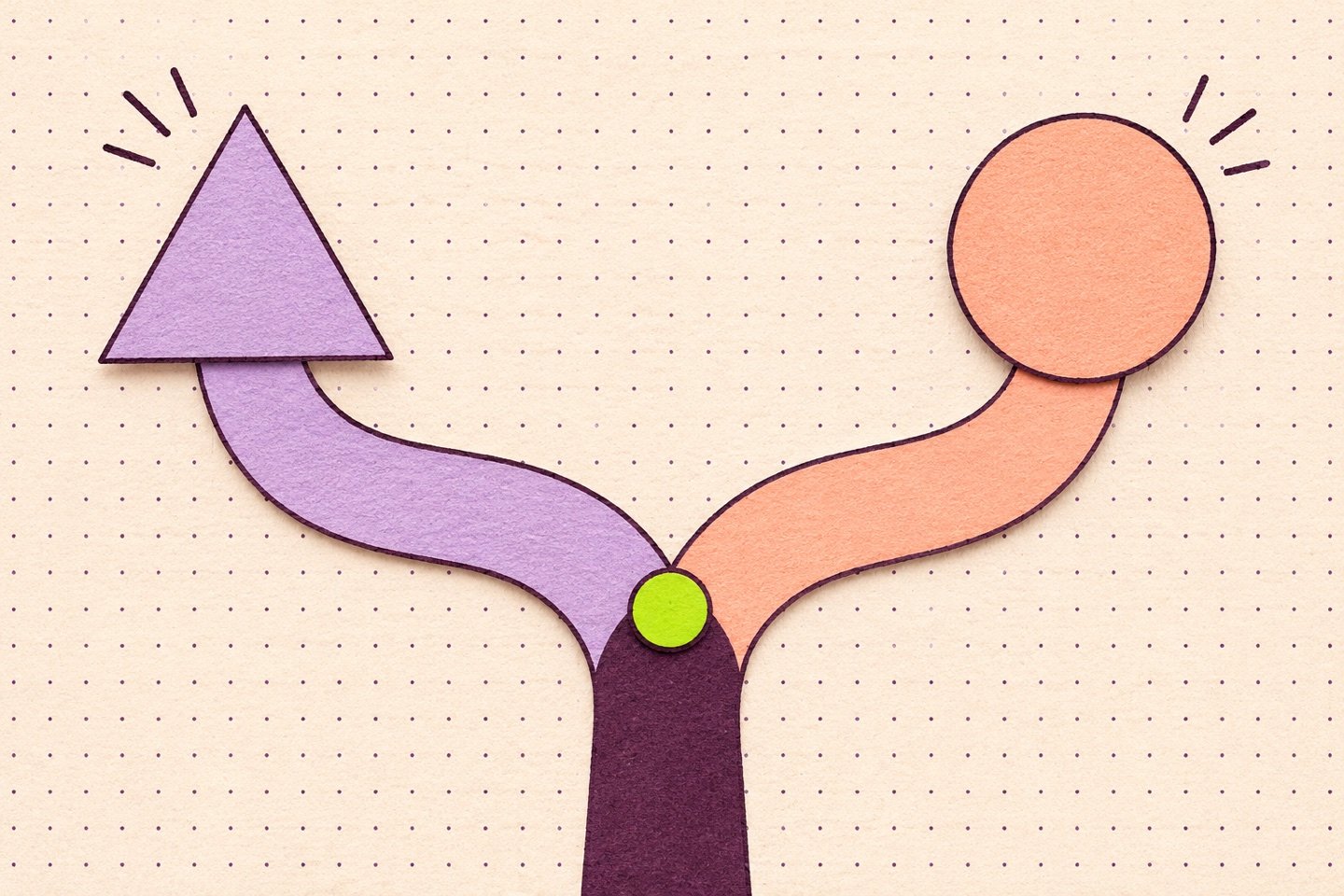
Ambiguity occurs when a word or sentence has two or more plausible interpretations. It can come from a word with several meanings, from how phrases group together, or from an unclear reference.
How to recognize it
Ask whether a reasonable reader could understand the same wording in two different ways. Check word meaning, phrase attachment, and pronoun reference.
Examples explained
Example 1
The guide pointed to the trunk.
Why it works: Trunk might mean part of a tree or a car’s storage compartment.
Example 2
Mina photographed the hiker with the camera.
Why it works: The phrase may identify the hiker or the equipment Mina used.
Example 3
When Ava called Tess, she was home.
Why it works: She could refer to Ava or Tess.
Common mix-up
Context can resolve ambiguity. Revise when the intended meaning is not reliably clear, rather than treating every possible double meaning as a mistake.
Explore more detail and examples
Phrase meaning affects the likely interpretation: the bird with the red crest naturally describes the bird, whereas photographed the bird with the long lens naturally describes the equipment. Judge plausible readings in context.
Quick check
How can you clarify that Mina used the camera?
Reveal the answer and explanation
Write “Mina used her camera to photograph the hiker.” The equipment is now explicitly connected to Mina’s action.


